


Here's What Most People Get Wrong
You bought new clothes specifically for work. You wear them only at work. You'd never put them on for anything else. Surely that's a tax deduction, right?
Not necessarily.
This is one of the most common tax misconceptions out there, and it catches business owners off guard at filing time. The short answer is that most work clothing is not tax-deductible, regardless of how exclusively you wear it for your business. But there are real exceptions worth knowing about, and if your clothing qualifies, the way you claim it depends on how your business is structured.
Here's what actually matters when it comes to writing off what you wear to work.
The Rule Most Business Owners Get Wrong: "I Only Wear It for Work" Isn't Enough
The IRS doesn't care how often you wear something outside of work. What matters is whether you could wear it in your everyday life without it looking out of place.
This is called the "suitable for everyday wear" test, and it disqualifies far more clothing than most people expect.
A business suit purchased exclusively for client meetings? Not deductible. Khakis and a button-down required for your industry? Not deductible. Dress shoes, blazers, and professional blouses? Also not deductible.
The reasoning is straightforward: the IRS draws a line between personal expenses and business expenses. If you can wear it to dinner, a family event, or a weekend errand, the IRS considers it personal, regardless of your intent when you bought it.
What About Clothing Bought Strictly for Business?
Intent doesn't change the test. The IRS has been consistent on this point for decades. If the clothing is the kind of thing a reasonable person might wear in ordinary life, it doesn't qualify, even if you personally never wear it off the clock.
What Does Qualify: The Four Categories That Pass the Test
There are real deductions available, but they fall into specific, well-defined categories. If your clothing fits one of these, you're in good shape.
Required Uniforms Not Suitable for Everyday Use
Uniforms that are distinctively tied to a role and wouldn't make sense to wear off duty are deductible. Think nursing scrubs, airline pilot uniforms, or a branded apron specific to your business. The key is that the uniform clearly marks the wearer as belonging to a specific role, not just meeting a general dress code.
Protective Gear and Safety Equipment
Clothing required to protect against job-specific hazards qualifies. This includes steel-toed boots for hazardous conditions, insulated coveralls for harsh-weather fieldwork, safety glasses, and flame-resistant gear. The item needs to be genuinely protective and unsuitable for regular use outside of the job.
Specialized Industry Apparel
Industry-specific clothing that can't reasonably be worn outside of work falls here. Hospital scrubs are the clearest example. Entertainers and performers can also deduct custom costumes that are clearly performance pieces rather than general fashion. If the clothing physically restricts or marks the wearer in a way that makes everyday use impractical, it likely passes.
Logoed Promotional Clothing
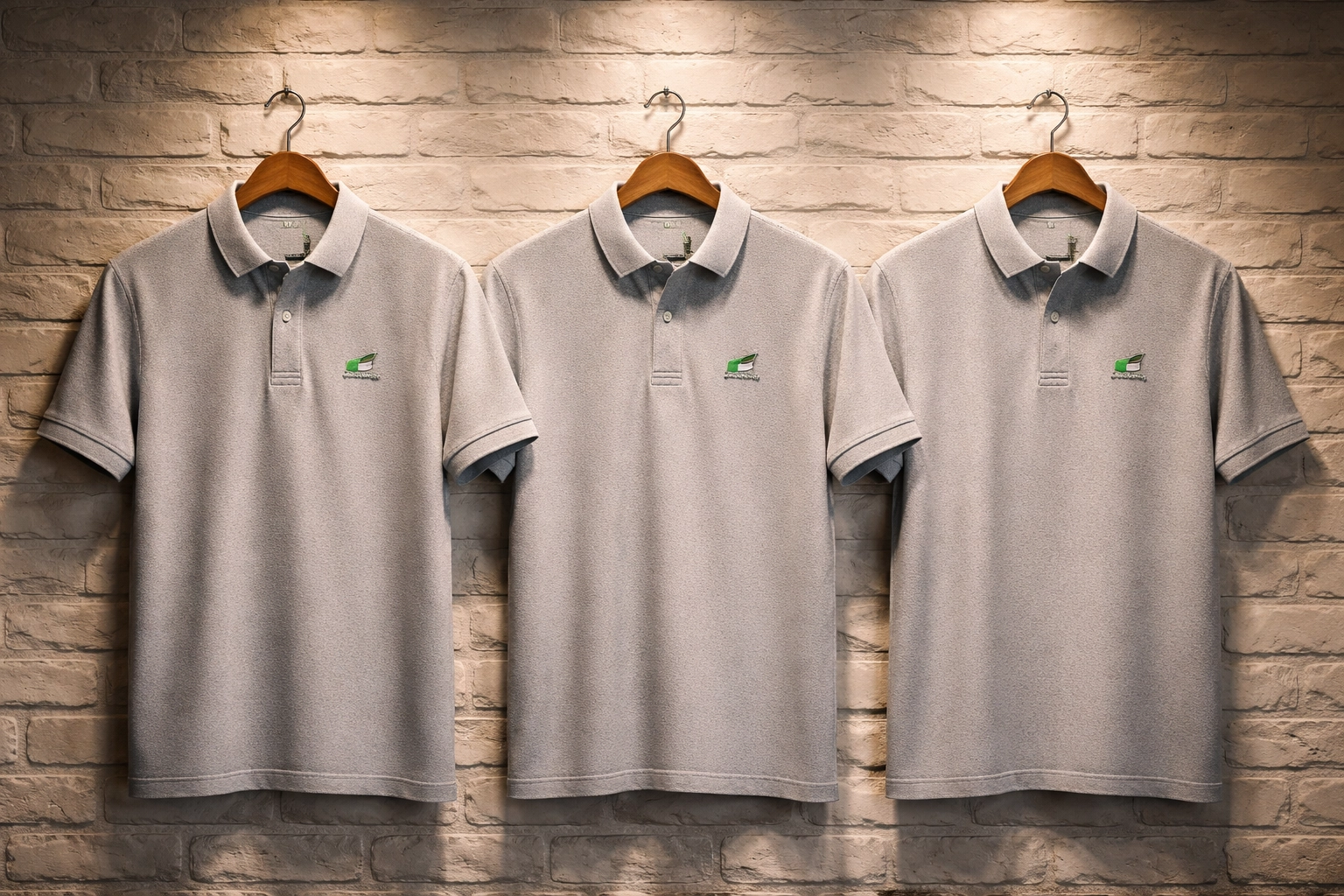
Clothing bearing your company's logo, worn to represent the business publicly, can qualify as a promotional or advertising expense. Branded polo shirts, logoed jackets, embroidered hats, and similar items fall into this category. The logo needs to be clearly identifiable with your business. When clothing crosses into promotional territory, it shifts from "work clothing" to "advertising expense," which opens up additional flexibility for items that might not otherwise qualify.
How to Claim It: Sole Proprietors vs. Corporation Owners
The qualifying rules above apply regardless of your business structure. What changes is the mechanism for claiming the deduction.
Sole Proprietors and Single-Member LLCs
If you're operating as a sole proprietor or single-member LLC filing on Schedule C, qualifying work clothing is deductible as a business expense directly on that return. Keep your receipts and note the business purpose at the time of purchase. If the clothing qualifies, so does the cost of cleaning and maintaining it (dry cleaning, laundry, repairs).
S-Corp and C-Corp Owners
If you operate through an S-corp or C-corp, the path is even more straightforward: the corporation purchases or reimburses the qualifying clothing directly as a business expense. It flows through the business books like any other ordinary business expense. You don't need to run it through your personal return at all. This is one of the practical advantages of operating through a corporation, and it applies to any clothing that meets the qualifying criteria above.
What About Your Employees?
If you have employees who wear uniforms, protective gear, or other qualifying clothing, there's a separate and very effective strategy for providing that clothing tax-free through a tool called an accountable plan. That's a topic worth its own treatment. See https://corefr.com/insights/employee-work-clothing-accountable-plan.
Quick Reference: Deductible vs. Not Deductible
Generally deductible: scrubs, pilot uniforms, safety boots in hazardous roles, hard hats, flame-resistant coveralls, stage costumes, logoed promotional shirts and jackets, athletic team uniforms.
Generally not deductible: business suits, blazers, dress shoes, khakis, plain shirts and blouses, casual workwear that could be worn off duty, watches (even for business use).
If you're unsure about a specific item, the question to ask is simple: could a reasonable person wear this in everyday life without it looking out of place? If yes, it probably doesn't qualify.
Actionable Takeaways
Take stock of what you're actually wearing for work. If any of it falls into the uniform, protective gear, specialized apparel, or logoed promotional categories, start tracking it.
Keep receipts and note the business purpose at the time of purchase. If the clothing qualifies, maintenance costs (laundry, dry cleaning) are deductible too.
If you operate through a corporation, work with your accountant to make sure qualifying clothing is being purchased or reimbursed at the entity level rather than paid for out of pocket personally.
When in doubt, talk to a tax professional before filing. Getting this wrong in either direction (missing a legitimate deduction or claiming one you don't qualify for) costs money.